Wildlife exclusion is not simply a matter of finding a hole and closing it. An opening may be actively used, more than one route may exist, and dependent young may be present. Species, season, building design, access, and local requirements all influence the order of work. A qualified wildlife professional should establish that sequence after assessing the property.
Identify Activity Before Repair
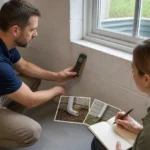
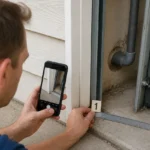
Record dates, times, sounds, sightings, odors, and visible material without handling animals, droppings, nests, or carcasses. Note where a sound is heard rather than declaring where the animal is located. Photos from safe ground can help, but do not climb or insert a camera into an opening.
The provider should evaluate which species is involved when possible and whether activity is current. Different animals behave differently, and a repair appropriate for one situation may trap or harm another.
If an animal is inside an occupied room, appears injured, behaves unusually, or may have had contact with a person or pet, keep a safe distance and contact the appropriate wildlife, animal-control, or public-health resource.
Account for Young and Seasonal Timing
Nesting and maternity periods can make immediate closure unsafe or unlawful. Dependent young may be unable to leave with an adult. Ask how the inspection considers season, species behavior, and evidence of young before exclusion begins.
Local wildlife rules may restrict handling, relocation, or work involving protected species. A responsible plan should identify when another qualified specialist or authority is needed rather than treating every animal as a standard pest-service case.
Address Secondary Openings
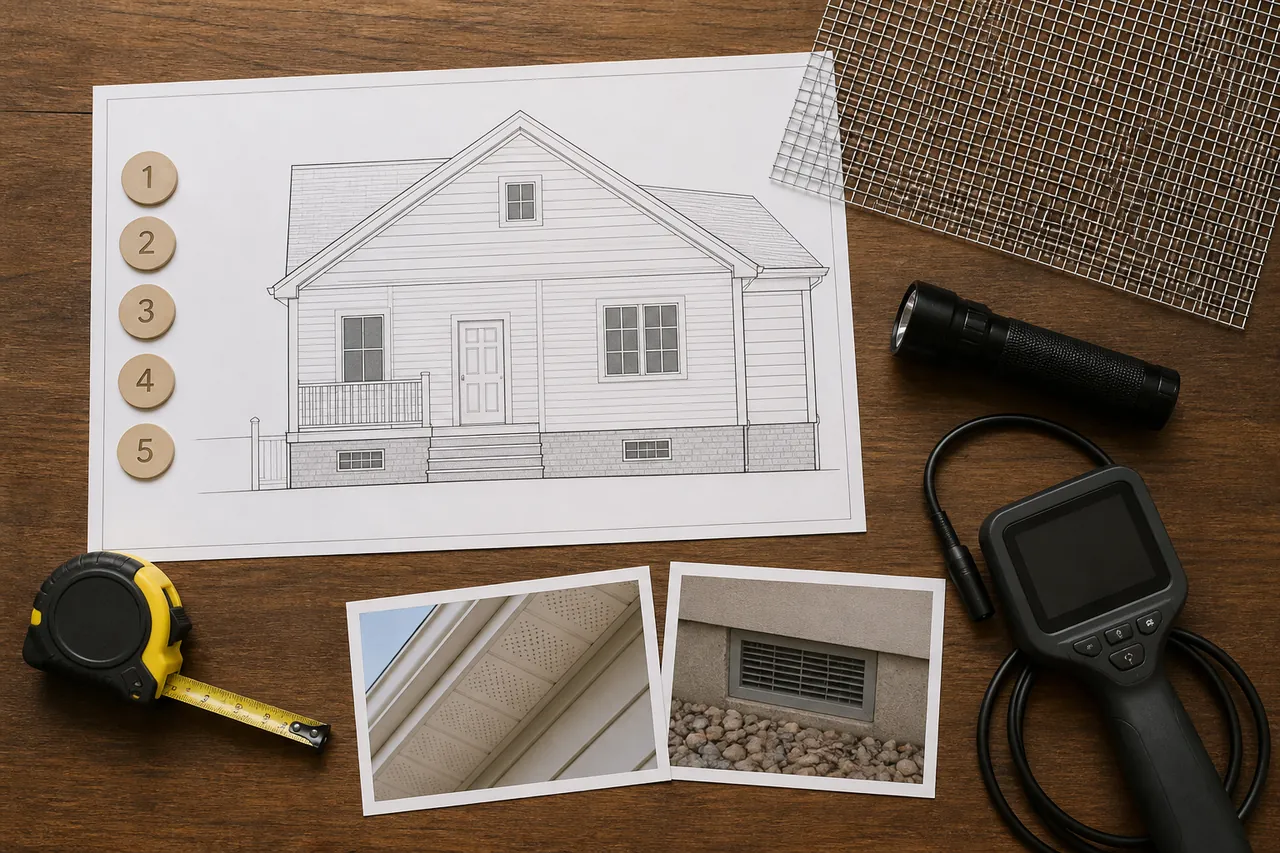
A building may have several vulnerabilities even if one opening shows the clearest activity. The professional can distinguish confirmed routes from potential access points. Often the sequence includes securing appropriate secondary gaps while managing the active route in a controlled way.
Homeowners should not stuff, foam, screen, or board an opening on their own while occupancy is uncertain. Premature sealing can trap wildlife inside living spaces or wall cavities, separate adults from young, or redirect animals to a less visible part of the structure.
Use Exclusion Methods in a Controlled Order
When a one-way device or other method is appropriate, its design, location, and monitoring should be handled by a professional. Such a device is not suitable for every species or season. The plan should explain how long the area will be observed and what evidence is required before final closure.
Removal, sanitation, contaminated-material handling, and repairs may be separate scopes. Droppings and nesting material can carry health risks, while damaged wiring or structural components may require another trade. Those boundaries should be stated in writing.
Repair for the Building Condition
Final closure should use materials and methods appropriate to the opening, surrounding construction, weather exposure, and expected animal pressure. Ask how the repair will be inspected and whether nearby damage affects its performance. Cosmetic covering alone may hide an unresolved gap.
Keep before-and-after photos, locations, dates, and material notes. Record areas that could not be reached or confirmed.
Monitor After Completion
Follow the provider’s instructions for observing sounds, odors, or new exterior activity. Do not remove devices or open repaired areas to check them. If signs continue, report the exact location and timing so the professional can reassess the sequence.
Thoughtful exclusion protects both the building and the animals involved. By confirming activity, considering young and legal requirements, managing alternate routes, and closing only at the appropriate point, the work can move from uncertain observation to a documented, responsible repair.