A prior pest visit can provide valuable history long after the immediate concern has changed. The problem is that many records are reduced to a payment receipt or a vague note saying a property was “treated.” Future technicians need more context: what was observed, which areas were accessible, what service was completed, and what follow-up was expected.
Keep the Inspection Findings
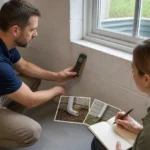
Save the service report in its original form. It should identify the date, areas inspected, observations made, and any pest identification or condition confirmed by the provider. If parts of the property were inaccessible, keep that limitation visible; an uninspected area should not later be mistaken for an area found clear.
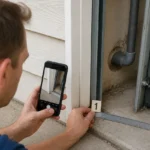
Retain labeled photos, diagrams, monitoring records, and specimen results supplied with the visit. The most useful images include a location and date rather than an unexplained close-up.
If the provider distinguished active evidence from older evidence, preserve that distinction. It can affect how later observations are interpreted.
Record the Work Actually Completed
Keep a clear description of the service scope, including the areas addressed and the type of work performed. This may include monitoring, exclusion, sanitation recommendations, removal, or product application. General marketing language is not a substitute for a property-specific completion note.
For any product used, retain the name and information the provider supplies about placement, precautions, and re-entry or access. Do not rely on bottle color or an informal nickname. Store the record securely, particularly when it includes details about the household.
If repairs or exclusion work were completed, save before-and-after photos and material notes. Mark openings that were intentionally left for later work or monitoring.
Save Preparation and Follow-Up Instructions
Preparation sheets often contain details that matter during a later visit. Keep the version that applied to the service, along with any property-specific changes given by the provider. Note what the household actually completed and anything that could not be done.
Retain the follow-up schedule, monitoring instructions, and signs that were supposed to prompt contact. If a later visit occurred, attach its findings rather than overwriting the first report. A sequence of dated records is more informative than a single “resolved” label.
Add Your Own Observations
Write down what changed after service. Include dates, locations, and frequency of later sightings. If activity decreased in one area but appeared elsewhere, record both facts without assuming migration or treatment failure.
Document relevant property changes such as plumbing repairs, roof work, new tenants, travel, deliveries, landscaping changes, or removal of stored material. These events may provide context, but they should remain separate from confirmed pest findings.
Do not disturb devices or collect unknown material merely to make the file complete. Follow the provider’s directions about monitoring and reporting.
Protect Personal and Safety Information
A pest-service record may mention allergies, children, pets, medical concerns, access codes, or occupant routines. Keep only what remains useful and store it appropriately. Share relevant safety information with the current provider, but do not circulate the entire file unnecessarily.
Expired access details and unrelated payment information can be removed from a working copy while the service history remains intact.
Build a Simple Property History
Organize records by date in one digital folder or binder. Use sections for inspection, completed service, products and safety information, repairs, preparation, and follow-up observations. Include provider contact information and property diagrams when available.
At the next service conversation, offer the file without assuming the earlier plan should simply be repeated. Conditions, pest activity, occupants, and available methods may have changed. A responsible professional can use the prior record as evidence, inspect the current property, and explain whether a new or adjusted approach is appropriate.