Bed-bug preparation is not a generic cleaning project. Instructions can vary with the service method, the rooms involved, the occupants, and the provider’s assessment. When directions are vague, people may move suspected items through the home, discard belongings unnecessarily, or complete work that interferes with inspection. Clear, written steps protect the sequence of the plan.
Preparation Must Follow Assessment
A suspected bite or online image does not confirm bed bugs. Record where and when signs were noticed, preserve photos when safe, and arrange professional evaluation. Avoid moving mattresses, furniture, clothing, or stored items to other rooms before receiving guidance.
If the provider confirms a plan, ask which rooms are included and why. Preparation for one bedroom may differ from preparation for adjacent rooms or the entire property. The instructions should make those boundaries unmistakable.
Every Task Needs a Destination
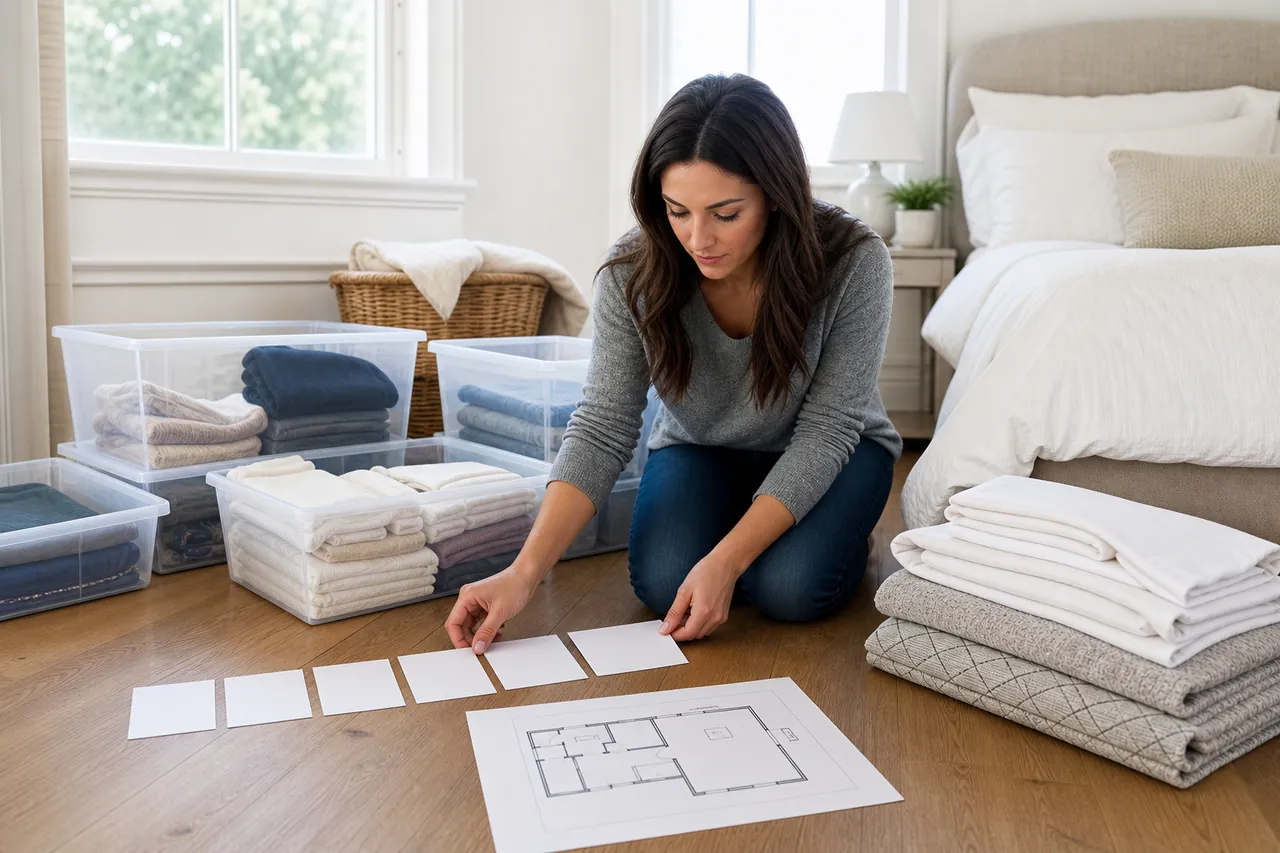
“Bag clothing” is incomplete unless it explains which clothing, what kind of bag, how it should be labeled, where it goes next, and when it may be reopened. The same is true for linens, books, toys, electronics, artwork, and items beneath furniture.
Ask the provider to organize instructions by room and item type. A checklist can separate items that remain in place, items that need provider-approved processing, and items that should not be handled. This reduces accidental movement and makes completion easier to verify.
Do not use improvised heat, pesticides, foggers, or outdoor exposure. Heat and chemical service require controlled methods, and misuse can cause fire, exposure, or dispersal of activity.
Occupants Need Specific Safety Information
Tell the provider about children, pets, pregnancy, allergies, respiratory concerns, mobility limits, and medical equipment. Ask for product or method information, required absence, re-entry, ventilation, and sleeping arrangements as they apply to the selected service.
Never assume that a broad claim such as “non-toxic” answers these questions. The household should receive the actual precautions and a contact for clarification.
Multi-unit properties add another layer. Access, communication, and inspection of connected spaces may involve property management and other occupants. Do not enter or treat another unit based on a personal assumption about the source.
The Plan Should Prevent Unnecessary Disposal
Discarding beds or furniture is not automatically required and can spread suspected pests when items are moved without containment. Ask the professional whether an item can remain, needs approved handling, or is truly recommended for disposal. If disposal is advised, request instructions that prevent exposure to others.
Sentimental, delicate, valuable, or heat-sensitive items should be identified before service. A provider may need to adjust the handling plan or explain that a specialist is required.
Completion Needs a Checkpoint
Before the appointment, review the checklist room by room. Mark tasks completed, tasks that do not apply, and anything the household could not do safely. Contact the provider rather than improvising around a blocked step.
Keep the original instructions and any property-specific changes. After service, retain follow-up dates, monitoring directions, and guidance about when items can return to normal storage. Do not remove or disturb monitoring devices unless instructed.
Clear preparation is valuable because it connects each household action with the professional method that follows. It limits unnecessary movement, protects occupants and belongings, and gives the service team an accurate picture of what has—and has not—been completed.