A pest-service handoff should make the property history understandable to the people who live there and to any professional who may return later. It is more than a receipt. The record should connect the original observations, inspection findings, completed scope, safety information, repairs, monitoring, and any conditions that remain unresolved.
Summarize the Starting Concern
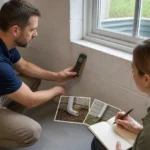
Begin with the dates and locations of the sightings, sounds, damage, or material that prompted service. Include a simple property map and labeled photos when available. Use the homeowner’s factual description rather than rewriting every early observation as a confirmed pest finding.
Add relevant context such as moisture, recent construction, deliveries, travel, prior service, or property changes. Keep these details separate from conclusions. A technician’s report should identify which observations were confirmed during inspection and which could not be verified.
Document the Assessment Boundaries
List the areas inspected and any spaces that were inaccessible, unsafe, occupied, or outside the agreed scope. If pest identification remained uncertain, say so. A handoff record should never imply that an uninspected wall void, roof area, neighboring unit, or detached structure was found clear.
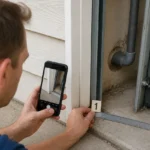
Attach inspection diagrams, monitoring results, specimen information, and professional photos. Label each item by date and location so a future reader does not have to guess where it belongs.
Describe Completed Service Precisely
Record the work performed, the areas involved, and the completion date. Separate product application, monitoring, exclusion, repairs, sanitation guidance, removal, and follow-up. If products were used, retain the information provided about names, placement, precautions, re-entry, and emergency contacts.
For exclusion or repairs, save before-and-after images and material descriptions. Note openings intentionally left for monitoring or later work. If another trade is responsible for moisture, roofing, electrical, structural, or cleanup work, identify that referral as outside the completed pest scope.
Preserve Household Instructions
Keep the property-specific preparation sheet and note whether any step could not be completed. Retain guidance for children, pets, allergies, ventilation, room access, and normal household routines as relevant to the service.
Post-service instructions should state what occupants may do, what they should avoid disturbing, and which observations should be reported. Do not replace written precautions with a general assurance.
Because this file may contain health information, access details, or occupant schedules, store it securely and share only the relevant portions.
Create a Follow-Up Timeline
List planned return visits, monitoring dates, repair checks, or observation periods. Provide a consistent place for later sightings with date, time, location, and frequency. A change in activity should be recorded without automatically labeling the service a success or failure.
If devices remain, map their locations and include the provider’s directions. Homeowners should not move, open, or alter them unless instructed.
Close With Open Items
Finish with three short sections: completed work, conditions to monitor, and unresolved or excluded items. Name the contact responsible for each next step and the point at which the homeowner should call. This prevents a recommendation from being mistaken for work already performed.
Keep the handoff with prior pest records and update it rather than discarding the sequence. A well-built file gives future providers a reliable starting point, protects safety information, and allows the household to understand exactly what the service established—without turning assumptions into property history.