A statement such as “the yard has mosquitoes” does not show when exposure is worst or which areas interfere most with outdoor use. A short observation log ties activity to time, place, weather, and household routines. That record helps a mosquito-service professional inspect the property and discuss a plan without promising that every biting insect or nearby source can be controlled.
Divide the Outdoor Space Into Zones
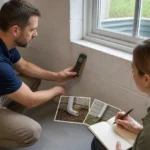
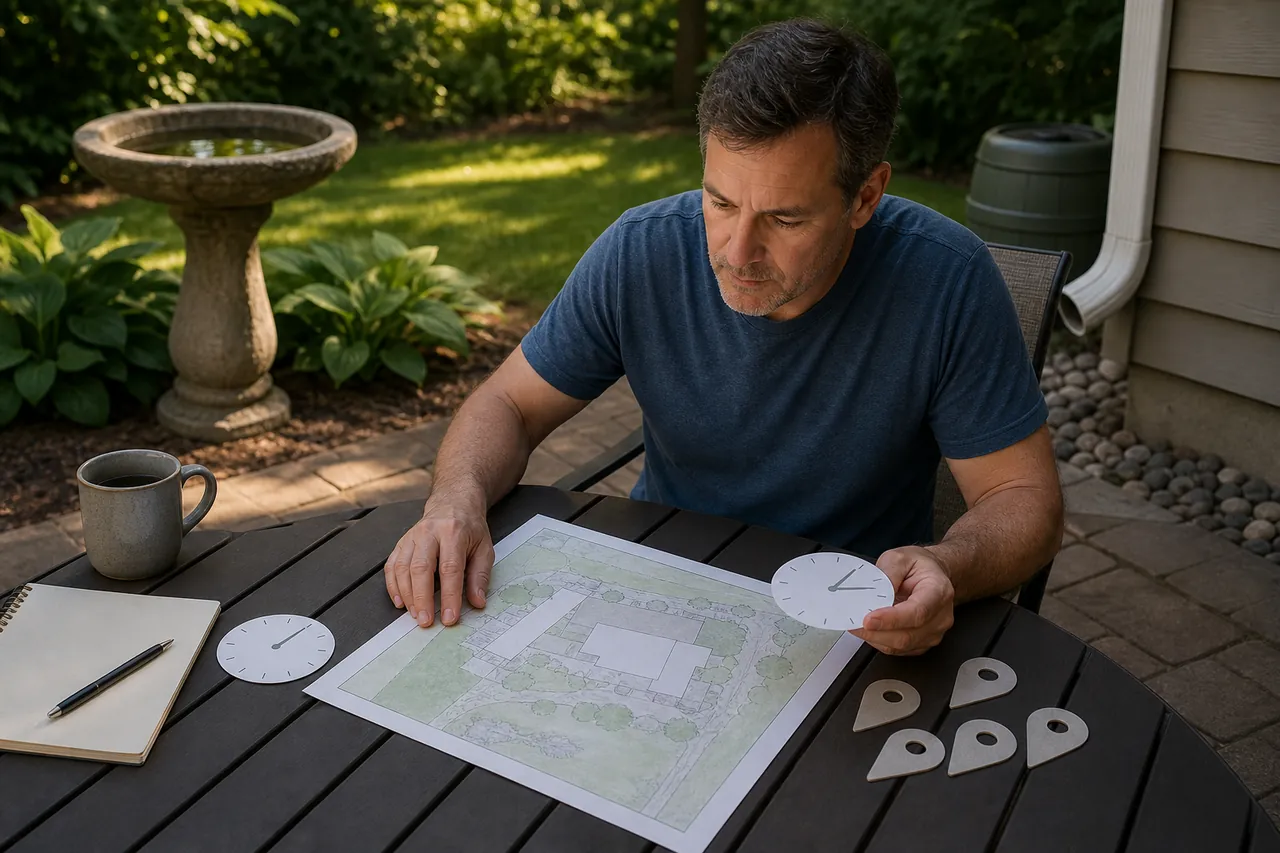
Sketch the yard and label frequently used areas: front entry, patio, play space, side passage, garden, deck, pool area, waste storage, or a seating spot beneath trees. Add fixed features such as fences, dense planting, downspouts, drains, containers, and neighboring edges visible from your property.
Use the same zone names in every observation. If a yard is large, number the zones. The purpose is not precise surveying; it is to distinguish where activity changes.
Log Ordinary Outdoor Use
Record observations during normal activities rather than deliberately remaining outside to attract bites. Note the date, start and end time, zone, approximate number of people present, and whether activity was light, moderate, or disruptive. A simple description such as “several mosquitoes noticed around legs during ten minutes of watering” is more useful than an unmeasured claim of “thousands.”
Include whether the observation occurred near sunrise, midday, late afternoon, dusk, or after dark. Different species can be active at different times, and other small flying insects may be mistaken for mosquitoes. Identification should remain open until assessed.
Add Weather and Recent Conditions
Write down temperature in general terms, wind, shade, cloud cover, and recent rainfall or irrigation. Mosquito activity can vary from one day to another, so one quiet visit does not erase a repeated household pattern.
Mark visible standing water from safe access and note how long it remains. Common locations may include plant saucers, uncovered containers, clogged-looking drainage points, toys, tarps, or low areas. Do not reach into contaminated water, open drainage systems, or enter unstable ground.
For water features, rain barrels, pools, or drainage structures, record how they are normally managed. A professional can advise whether they are relevant and whether another maintenance provider is needed.
Compare Zones Rather Than Guessing at a Source
Observe two outdoor zones at roughly similar times when that happens naturally. If the patio is uncomfortable but the open driveway is not, note the contrast. Dense shade, wind exposure, vegetation, and nearby water may influence conditions, but the log should not declare one feature to be the breeding source.
Include property-edge observations without assigning responsibility to a neighbor. Mosquitoes can move across boundaries, and service plans need realistic expectations about factors beyond one property.
Protect People During Observation
Do not extend exposure to make the log more complete. Follow appropriate personal-protection guidance, supervise children, and bring everyone inside if biting is heavy. Never mix or apply products as an informal “test,” and keep pets away from unknown standing water.
If illness symptoms or a public-health concern arises, contact the appropriate healthcare or public-health resource; a property service visit is not medical assessment.
Review the Pattern With a Professional
After several normal-use entries, highlight the times and zones that matter most to the household. Ask the provider to inspect accessible water-holding features, vegetation, resting areas, and property conditions, then explain what is confirmed and what lies outside the service boundary.
Continue the same log after any agreed work. Changes in weather and season should remain visible. A time-and-place record does not establish a particular outcome, but it supports a more focused inspection and a clear conversation about outdoor-use priorities, monitoring, and reasonable expectations.