Rodents can use openings that are difficult to notice, and a visible gap does not automatically mean it is active. A safe observation record helps a pest professional examine likely areas without encouraging homeowners to crawl under buildings, climb roofs, disturb contaminated material, or seal an opening before the situation is understood.
Begin With Sighting and Sound Locations
Mark where rodents, droppings, gnawing, nesting material, or noises were observed. Include the date, time, level of the building, and nearest fixed feature. A sound in a ceiling should be recorded as the place it was heard, not as proof that an animal occupies a particular cavity.
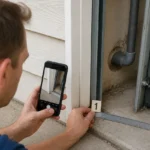
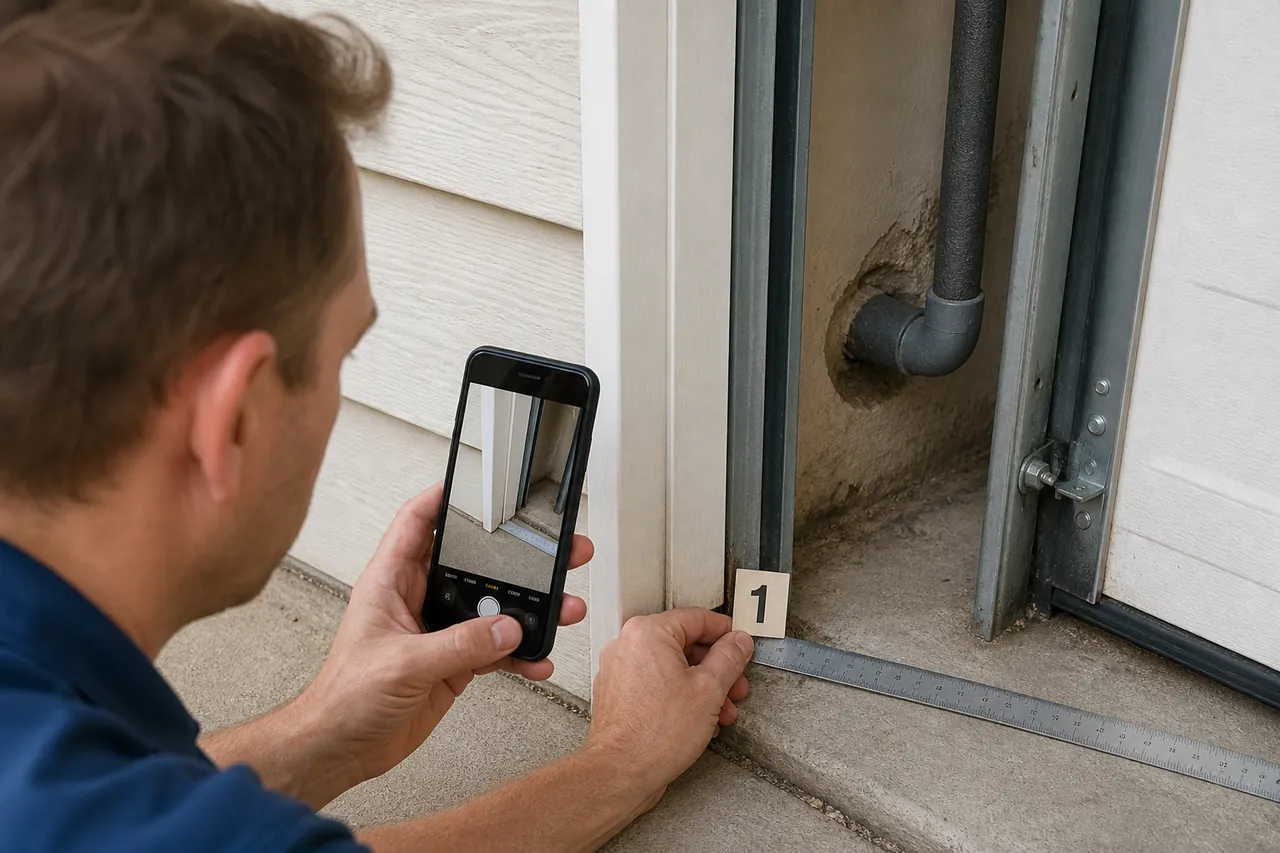
Photograph evidence only from normal access. Do not sweep, vacuum, handle, or collect droppings and nesting material without appropriate guidance; contaminated dust and direct contact can present health risks. Keep people and pets away from affected areas.
Walk the Exterior From Safe Ground
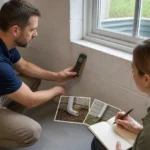
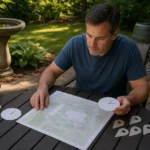
Create a simple outline of the building and label each side. From ordinary walking surfaces, note visible gaps around doors, garage edges, utility penetrations, vents, damaged screens, foundation transitions, roofline features visible from below, and places where different materials meet.
Use neutral descriptions such as “gap visible beneath rear door” or “screen appears damaged at lower corner.” Do not call a gap an entry point until a professional confirms evidence of use.
Record nearby conditions including dense vegetation, stacked materials, feed, waste containers, pet areas, and standing water. These observations provide context; they are not proof of a route.
Include Interior Transitions
From occupied, accessible rooms, look at the areas around plumbing and utility lines, cabinet voids, appliance edges, garage-to-house doors, and storage rooms. Do not pull out heavy appliances, remove fixed panels, open electrical equipment, or reach into dark cavities.
If a gap sits near suspected activity, show both marks on the same map and link them with a note. Keep the relationship factual: distance, timing, and visible condition. A technician can then look for rub marks, tracks, damage, or other evidence during inspection.
Record Building Changes
Add recent roof, siding, plumbing, electrical, renovation, or utility work. A new penetration, damaged door sweep, or temporarily opened wall may be relevant. Also note older repairs and locations previously sealed, even when they appear intact now.
Seasonal events matter too. Write down when activity began in relation to colder weather, storms, landscaping changes, construction, or altered food storage. Do not assume the event caused the activity.
Avoid Premature Sealing
Closing a suspected opening without understanding occupancy and alternate routes can leave an animal trapped inside or redirect activity. Wildlife species, young animals, and legal requirements may also affect what can be done and when. Leave exclusion sequencing to a qualified pest or wildlife professional.
Do not place hands, tools, smoke, water, chemicals, or cameras into an unknown opening. Never use improvised electrical or fire-based methods.
Turn the Record Into an Exclusion Discussion
Ask the provider to identify which locations show confirmed use, which are only potential vulnerabilities, and which need further access. A proposed plan should explain monitoring or removal, the sequence for exclusion, repair materials, sanitation boundaries, and follow-up.
After work, update the map with completed locations and dates. Keep photos of visible repairs and note areas that remained inaccessible. The result is a useful property history: it shows what homeowners safely observed while preserving the professional judgment needed to address rodents without creating new risks.