A pest plan has to fit the people and animals who live in the property, not only the pest activity being assessed. Children, pets, allergies, health concerns, work schedules, and room access can influence preparation and service choices. Sharing this information early allows the provider to explain suitable boundaries without asking the household to make technical decisions.
Identify Everyone Who Uses the Property
Tell the provider how many adults and children occupy the home and which areas they use. Mention regular visitors or caregivers when their routines affect access. If the property contains a home office, rental space, shared entry, or separate unit, explain who controls each area.
For pets, include species, number, living areas, feeding locations, and any enclosures, aquariums, terrariums, or outdoor habitats. “Pets will be removed” may not be enough; fish, reptiles, birds, and small mammals can require different planning. Ask for written instructions specific to the proposed service.
Do not forget service animals or neighborhood animals that regularly enter an outdoor space. The provider needs the practical access picture, not private detail that does not affect the work.
Share Health and Sensitivity Concerns
Inform the company about allergies, asthma, pregnancy, chemical sensitivities, immune concerns, or other health considerations relevant to service. You do not need to provide a complete medical history. Explain the concern and ask what product information or service alternatives are available for discussion with an appropriate healthcare professional if needed.
Never rely on a general phrase such as “pet safe” or “natural” as the entire safety explanation. Request the actual proposed method, product information when products are involved, placement, preparation, and re-entry or ventilation instructions.
Describe Daily Routines
Write down when people normally sleep, work, cook, bathe, and use outdoor areas. Mention school pickup, naps, shift work, tenant access, and days when the home cannot be vacated if those details affect scheduling.
Explain which rooms contain food preparation, medication storage, children’s items, pet supplies, or delicate equipment. A provider can then give area-specific preparation instructions instead of a generic list that causes unnecessary handling.
Clarify Access and Physical Limitations
Identify locked rooms, storage-heavy spaces, crawlspaces, attics, utility closets, high shelving, or furniture that cannot be moved safely. Mention mobility limitations and any task the household cannot complete. Do not lift heavy objects, dismantle fixtures, or enter unsafe spaces to satisfy a preparation sheet.
Ask the provider to distinguish essential preparation from optional organization. If an instruction is unclear or impossible, discuss it before moving belongings. Improvised movement can spread suspected pests or create hazards.
Keep Pest Observations Separate
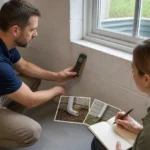
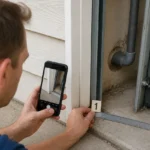
Attach a short sighting record with dates and locations. Include prior service reports and relevant moisture or repair notes. Avoid diagnosing the pest or requesting a particular product based only on an online comparison. The professional should use the information alongside inspection.
Tell the provider about treatments or repellents already used, including approximate dates and locations. Do not reapply or combine products in preparation for the visit.
Request a Written, Property-Specific Plan
The final plan should identify areas included, preparation steps, methods, household precautions, access limits, follow-up, and what remains unconfirmed. Ask who to contact if a preparation problem arises or if activity changes before the appointment.
Keep a copy of the information you supplied and the instructions you received. Update it when a pet, occupant, health concern, or room use changes. Thoughtful household information is not a formality; it is how pest service is adapted to real occupancy while keeping safety decisions visible and professional responsibilities clear.